How does Dutch government work?
Provinces: provincial councils and provincial executives
Provincial councils (Provinciale Staten) represent a province’s residents. They set the main direction of provincial policy and scrutinise the provincial executive (Gedeputeerde Staten). The provincial executive carries out day-to-day governance and consists of the executive members and the King’s Commissioner.
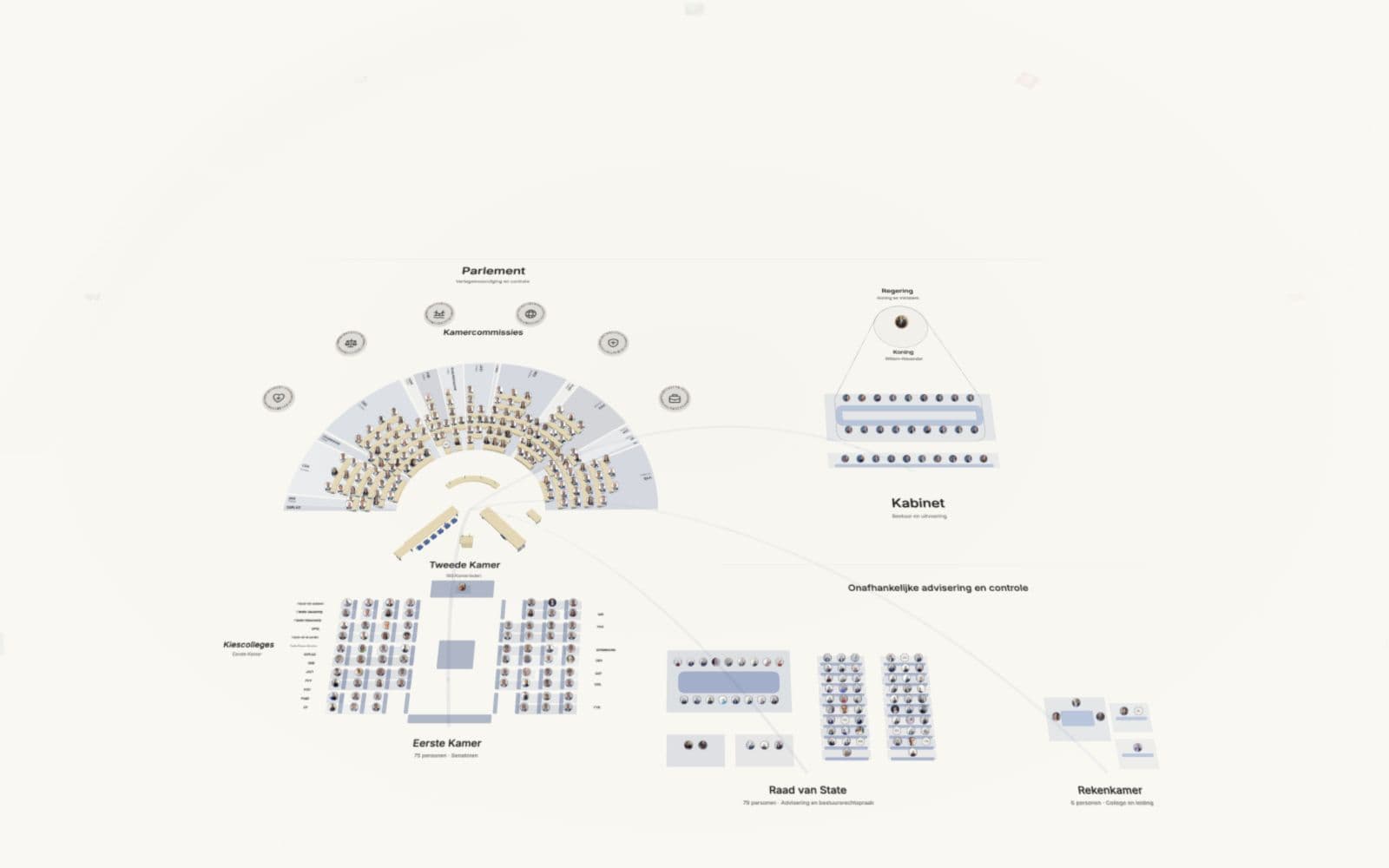
Staatskaart connects this division of roles with provincial areas and the officeholders included in the register. For a provincial dossier, this lets you see which institution decides, implements or scrutinises.
 Explore the provinces
What is the difference between PS and GS?
Provincial councils, often abbreviated to PS, appoint the provincial executive members. Executive members do not serve as provincial councillors while holding that office. Each has a portfolio and, in the provincial executive (GS), they prepare and implement decisions. The King’s Commissioner chairs both the provincial council and the provincial executive and is a member of the latter.
Central government: provincial councilsCentral government: provincial executive membersCentral government: King’s CommissionerExplore a province step by step
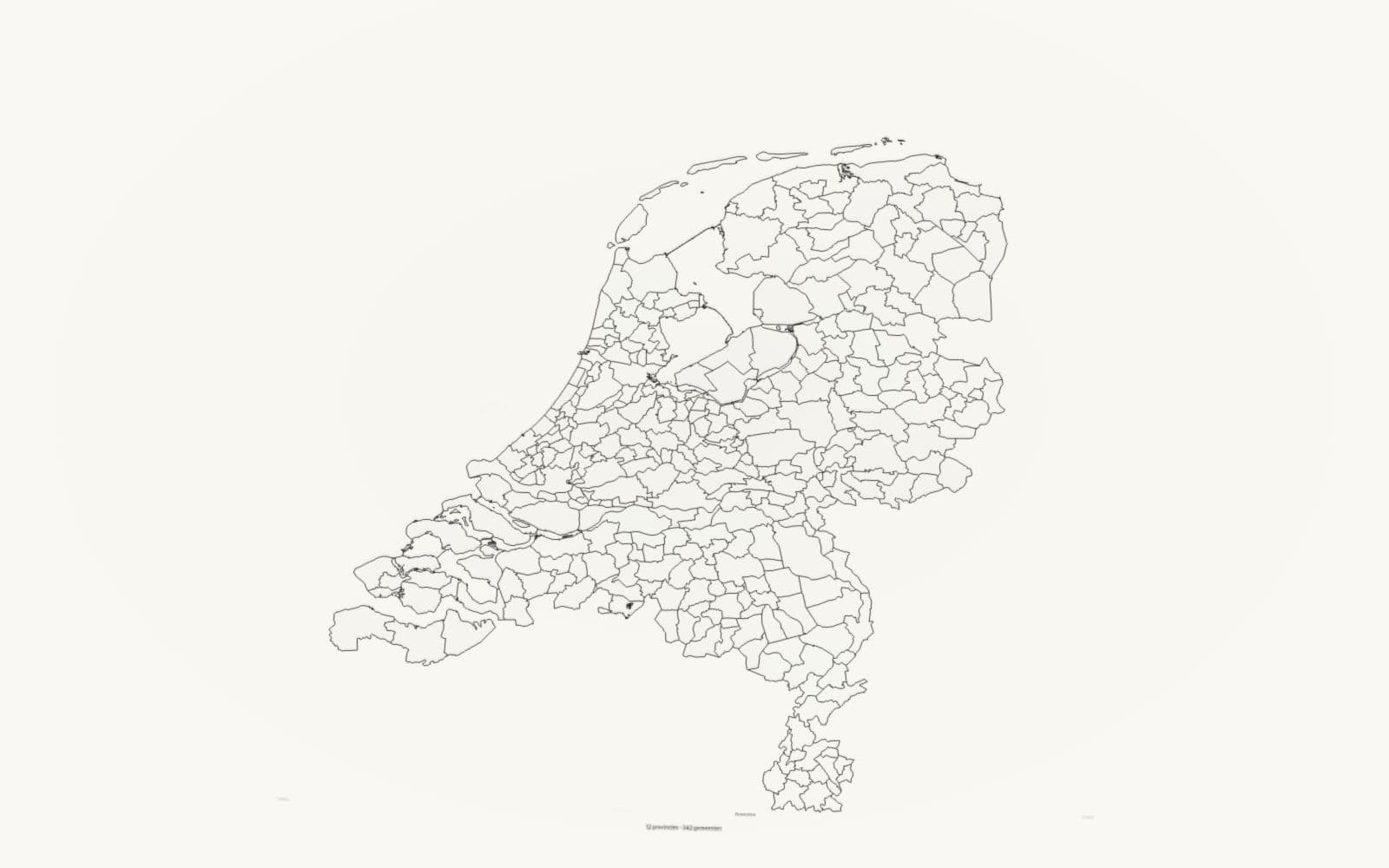
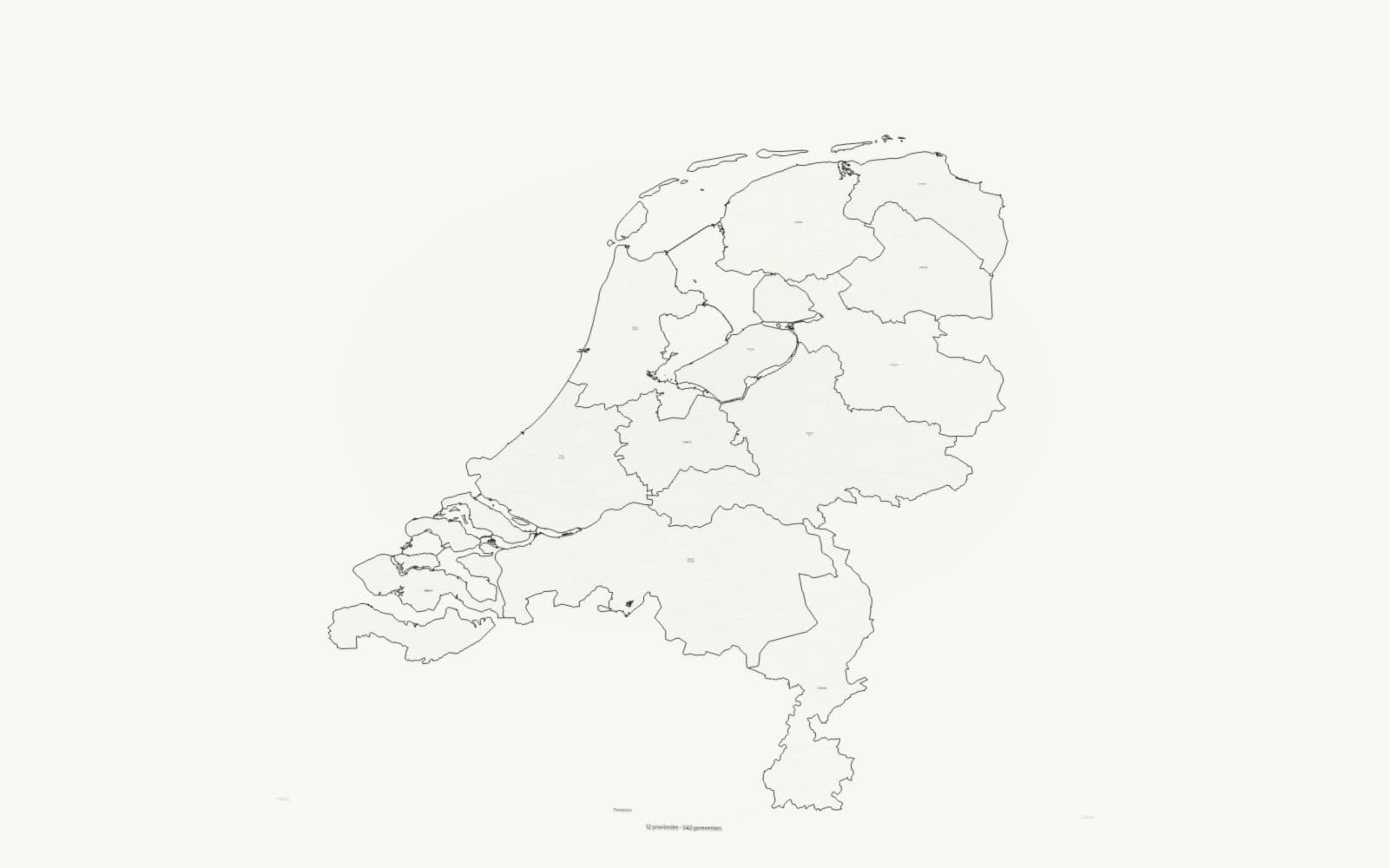
Choose the Provinces map area and select a province. Look first at the provincial council, then the provincial executive and the King’s Commissioner. Open an available person’s entry to view their position and source. This shows how representation, day-to-day governance and chairmanship come together within one province.
Also read the information about register coverage. The positions already included, missing sources and conflicting sources can differ between provinces.
Use for a provincial dossier
Take a question about a provincial road, for example. First find the province and the published allocation of duties within its executive. Then check the official provincial council documents to see which decision is being considered, which committee is preparing it and which questions have already been asked. Use the relevant map view alongside those documents to explain the division of roles to new colleagues.
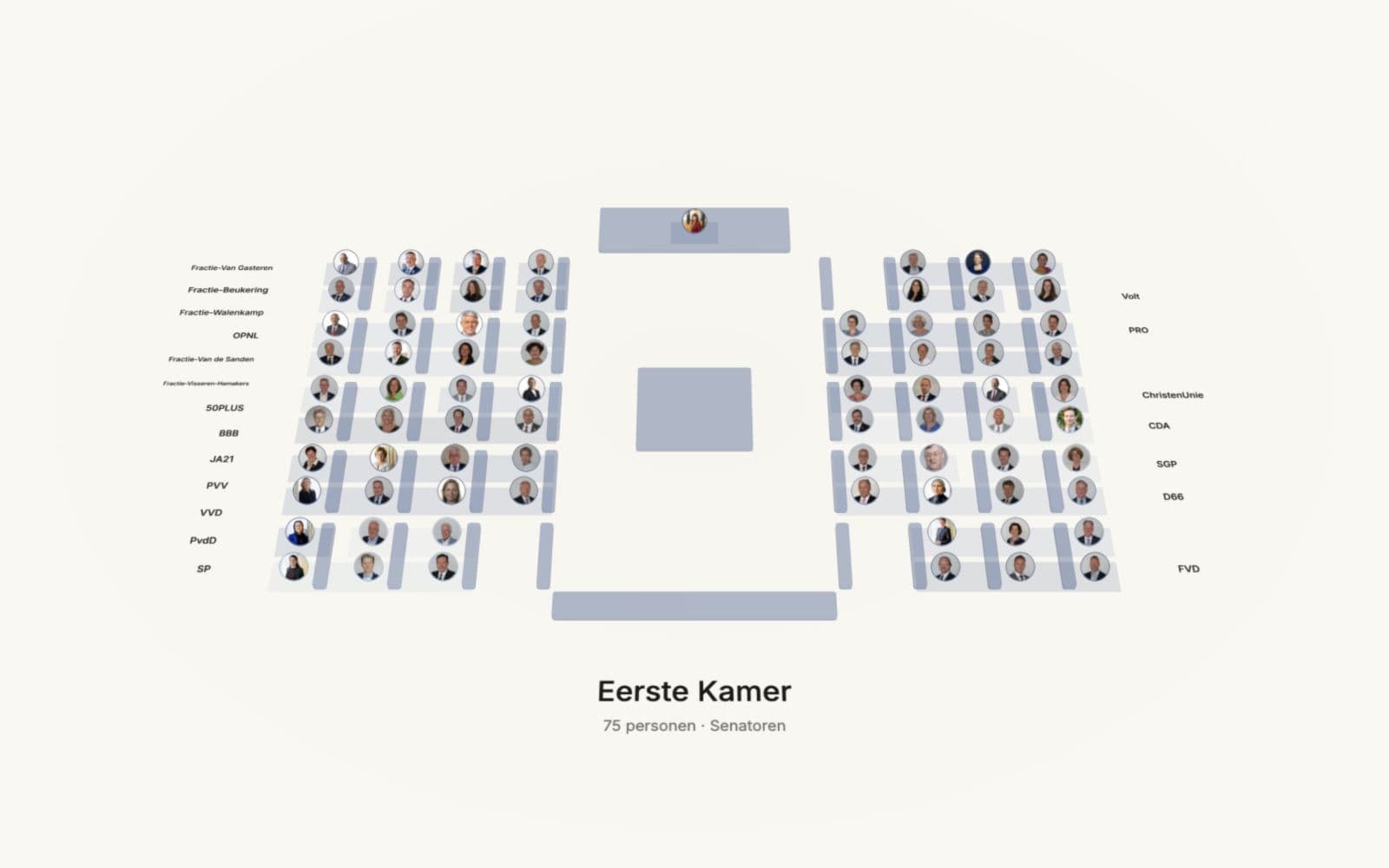
Provincial councillors also have a national electoral duty: together with the four electoral colleges, they elect the Senate. This appears as a separate relationship on the map and is distinct from day-to-day provincial decision-making.
Electoral Council: who elects the Senate?Comparing provincial data
Provincial boundaries have been simplified for the map. The sources page provides the original files and the territorial divisions used. Population figures, election results and officeholders each have their own reference date. Include that date when comparing provinces so it is clear which period the figures and positions relate to.
Sources for boundaries, figures and officeholdersSources and further reading
This guide was reviewed on . Check the official sources for current information.
- Rijksoverheid — Provinciale Staten
- Rijksoverheid — Gedeputeerden
- Rijksoverheid — Commissaris van de Koning
- Kiesraad — Eerste Kamerverkiezing
Guide by Staatskaart, a Noord Labs project. Read how we work with sources and datasets.