How does Dutch government work?
Staatskaart for elected representatives and staff
Staatskaart helps with an initial overview of a governance dossier: which institution has a role, which positions belong to it and where is the original information? Members of parliament, provincial and municipal councillors, clerks’ offices and policy officers can use the map to explore these questions together.
Good preparation combines that overview with official documents. Below is a practical workflow for using the map in a dossier discussion or when helping a colleague get started.
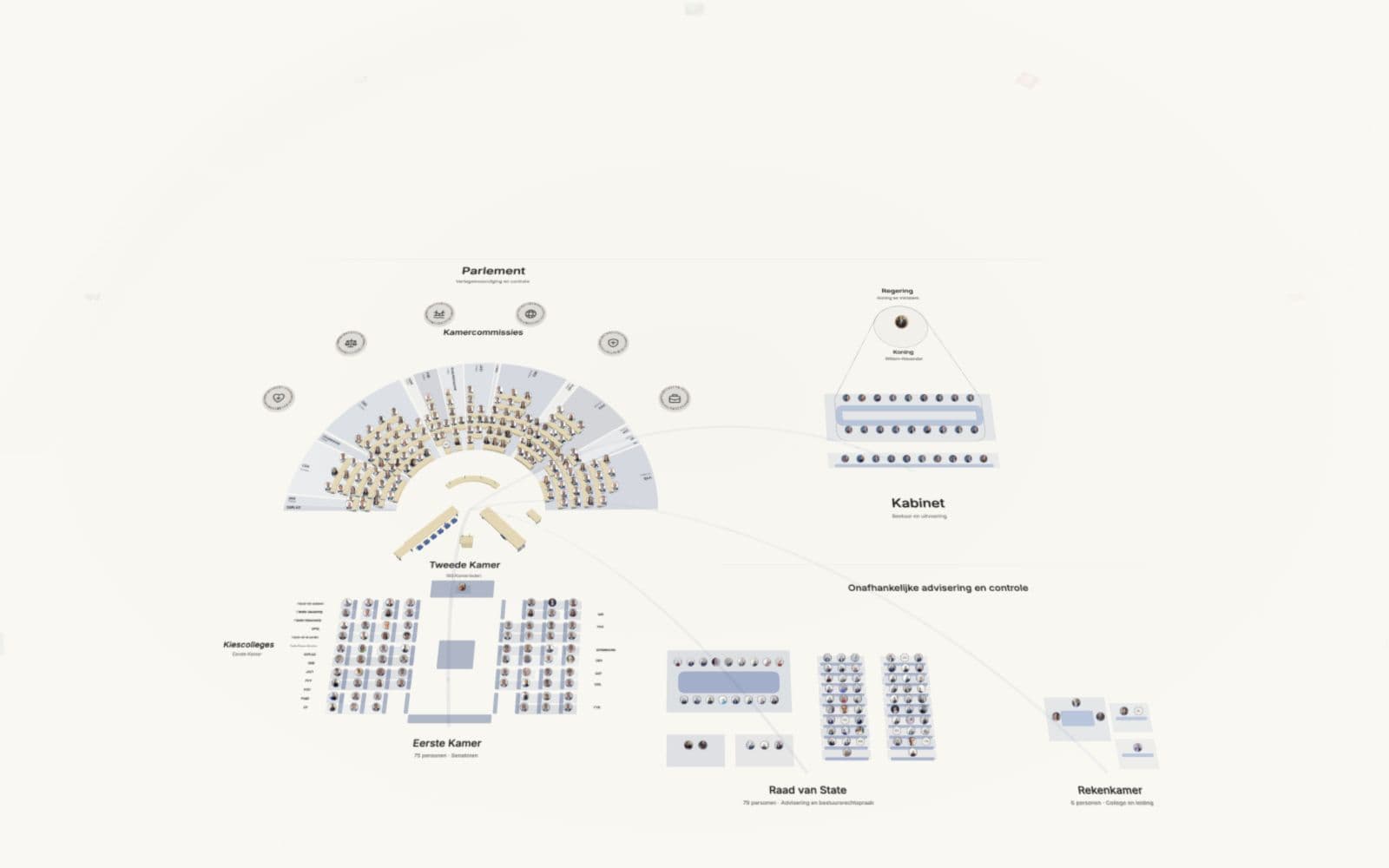 Start with the governance overview
Start with the decision at hand
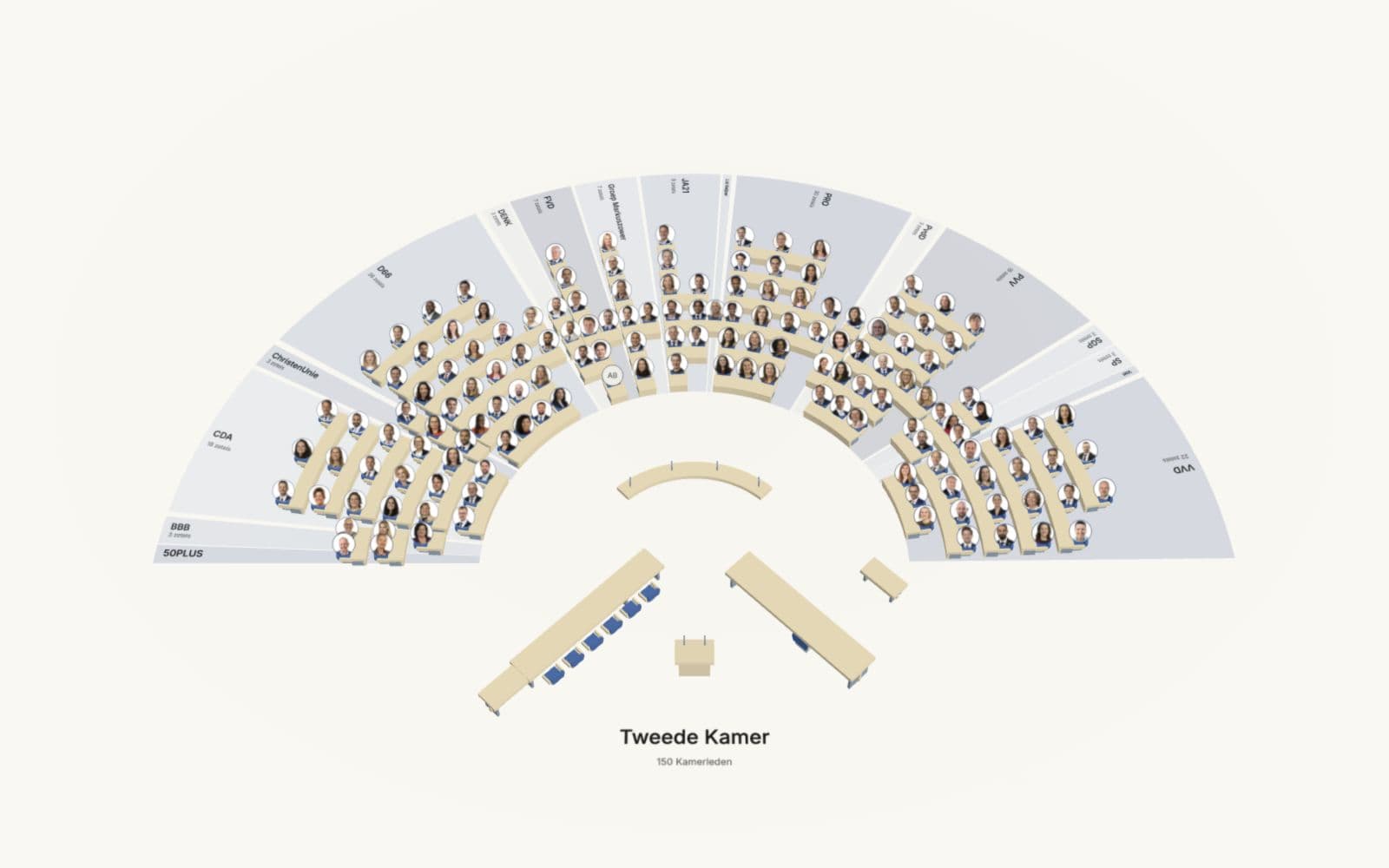
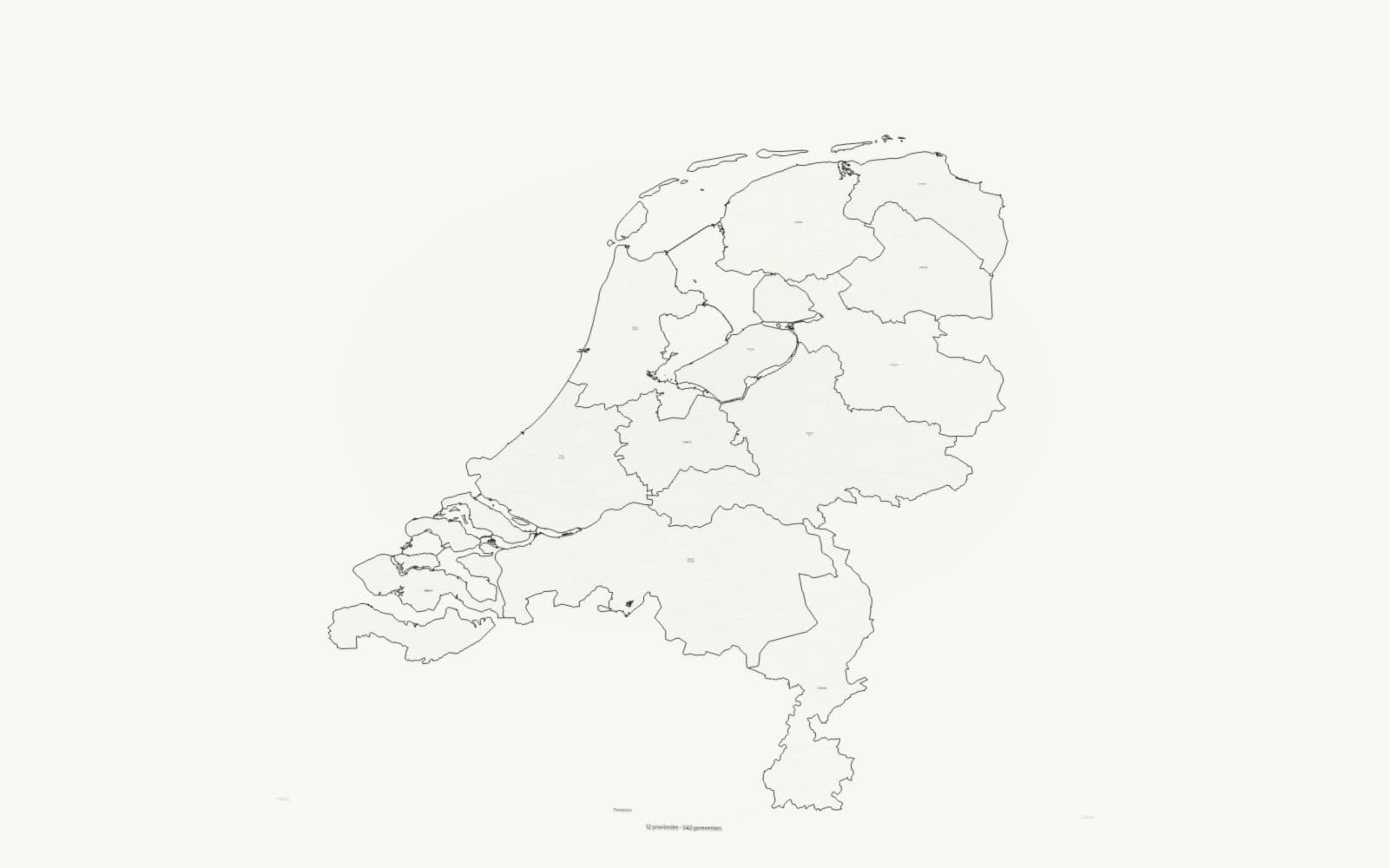
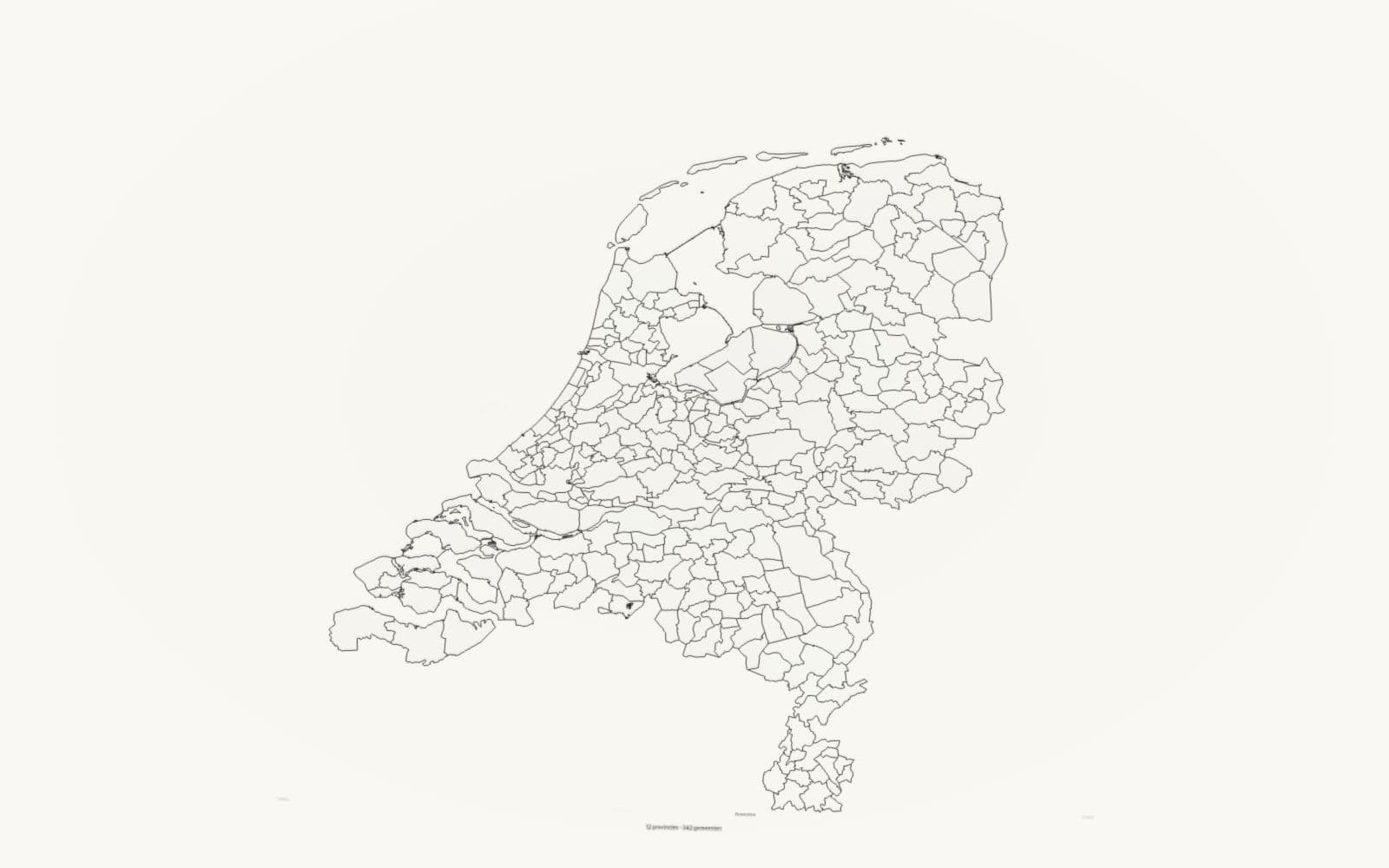
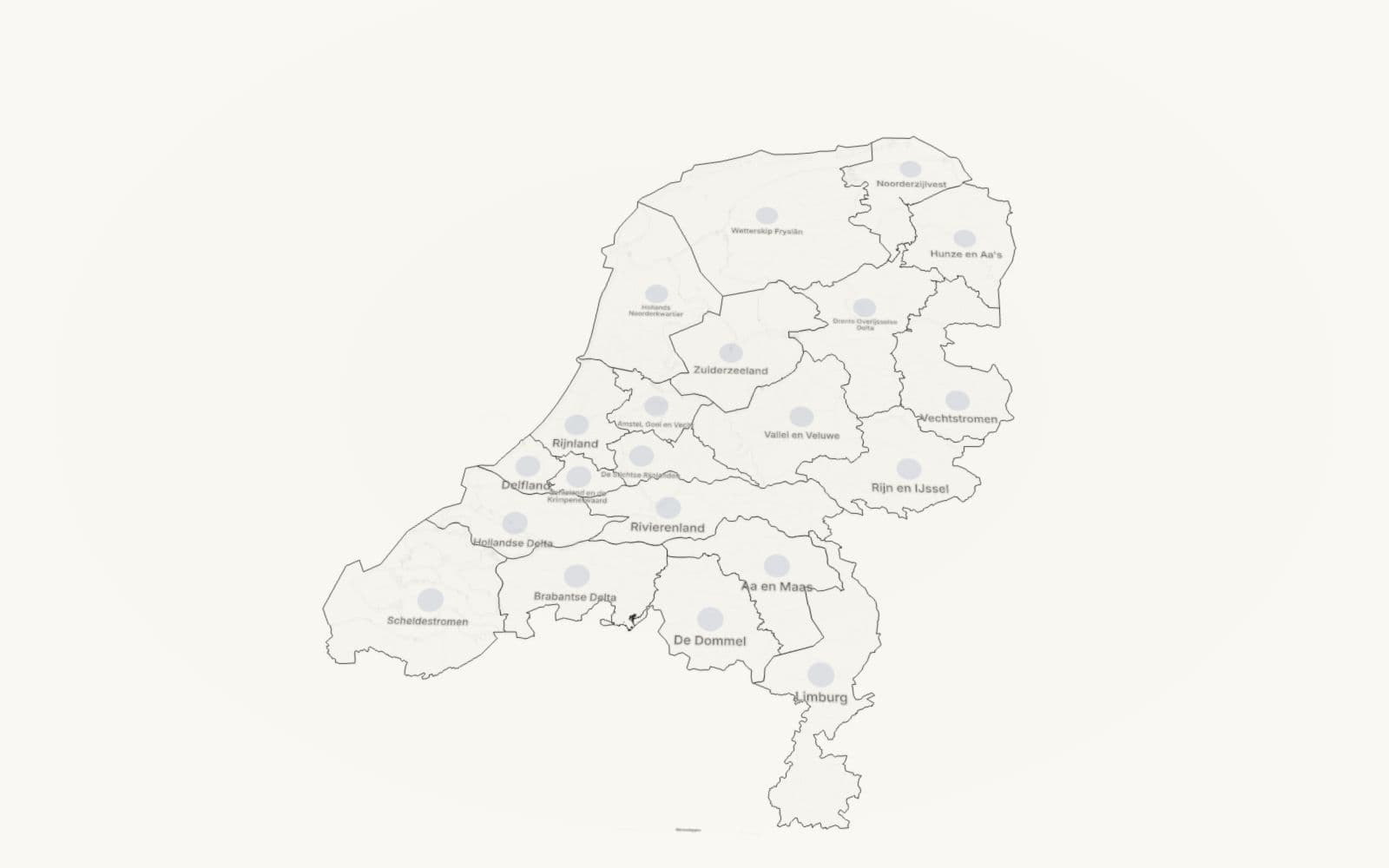
First formulate the specific question: is it about legislation, provincial policy, a municipal decision or water management? Choose the corresponding level of government and explore the relationship between the representative body and the day-to-day executive. The House of Representatives scrutinises ministers and state secretaries, provincial councils scrutinise provincial executives and municipal councils scrutinise the executive of mayor and aldermen.
Record which body decides in the dossier and which body can request information about it. Check the precise power in the official proposal or decision. The map shows the general division of roles.
House of Representatives: duties and rightsCentral government: rights of provincial councillorsCentral government: role of municipal councillorsCheck positions before copying names
Find the institution or area, then open the relevant position. The people register lets you search by name, position, party or municipality. Check the original source, date and any coverage notes. A name may appear under several positions; assess each entry in its own context.
For committees, you need the official agenda to establish where a specific topic is being considered. For an executive, the published allocation of portfolios is the starting point for finding the responsible officeholder.
Search the people registerPrepare a briefing someone can verify
Include five items in your notes: the question, institution involved, relevant position, official source and date checked. Add the dossier number and next scheduled consideration when known. Use a suitable map view or tour to explain the respective roles during the discussion.
Describe uncertainties specifically, for example that a municipal register is still incomplete or that two sources list different positions. This lets a colleague check the missing information directly.
Include the source in your work
Staatskaart combines registers with their own reference dates and source references. For each dataset, the sources page describes its origin, the information included and the terms of use. Keep the link to that description and to the original document alongside an overview. This lets colleagues find the information and update it later when positions, boundaries or figures change.
Read the sources and dataset descriptionsSources and further reading
This guide was reviewed on . Check the official sources for current information.
- Tweede Kamer — Wat doet de Tweede Kamer?
- Rijksoverheid — Provinciale Staten
- Rijksoverheid — Raadsleden
Guide by Staatskaart, a Noord Labs project. Read how we work with sources and datasets.