How does Dutch government work?
Municipalities: council, aldermen and mayor
The municipal council represents residents, sets the main direction of municipal policy and scrutinises the executive of mayor and aldermen (college van burgemeester en wethouders, or B&W). This executive handles day-to-day governance. The council appoints the aldermen; the Crown appoints the mayor on the municipal council’s recommendation.
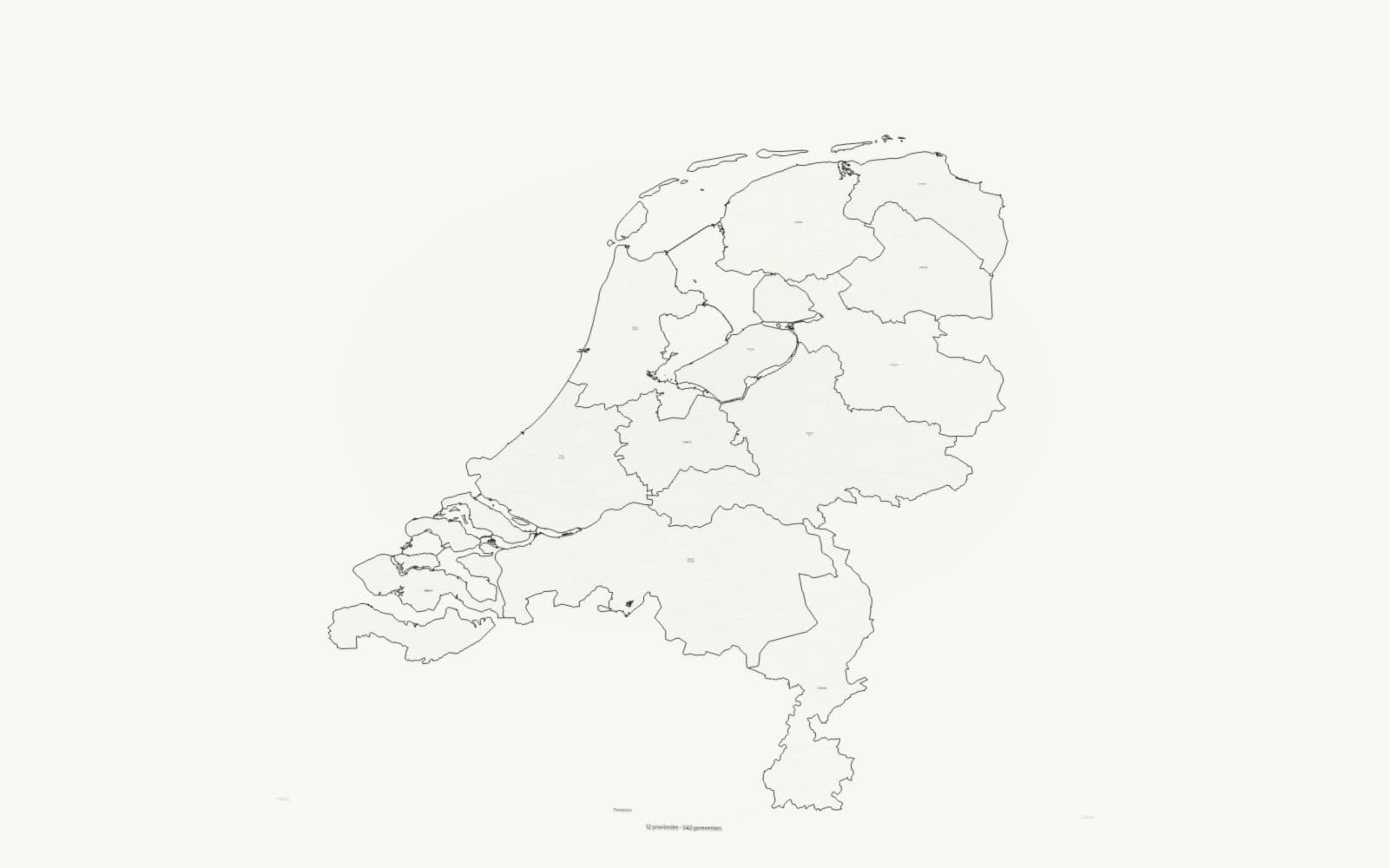
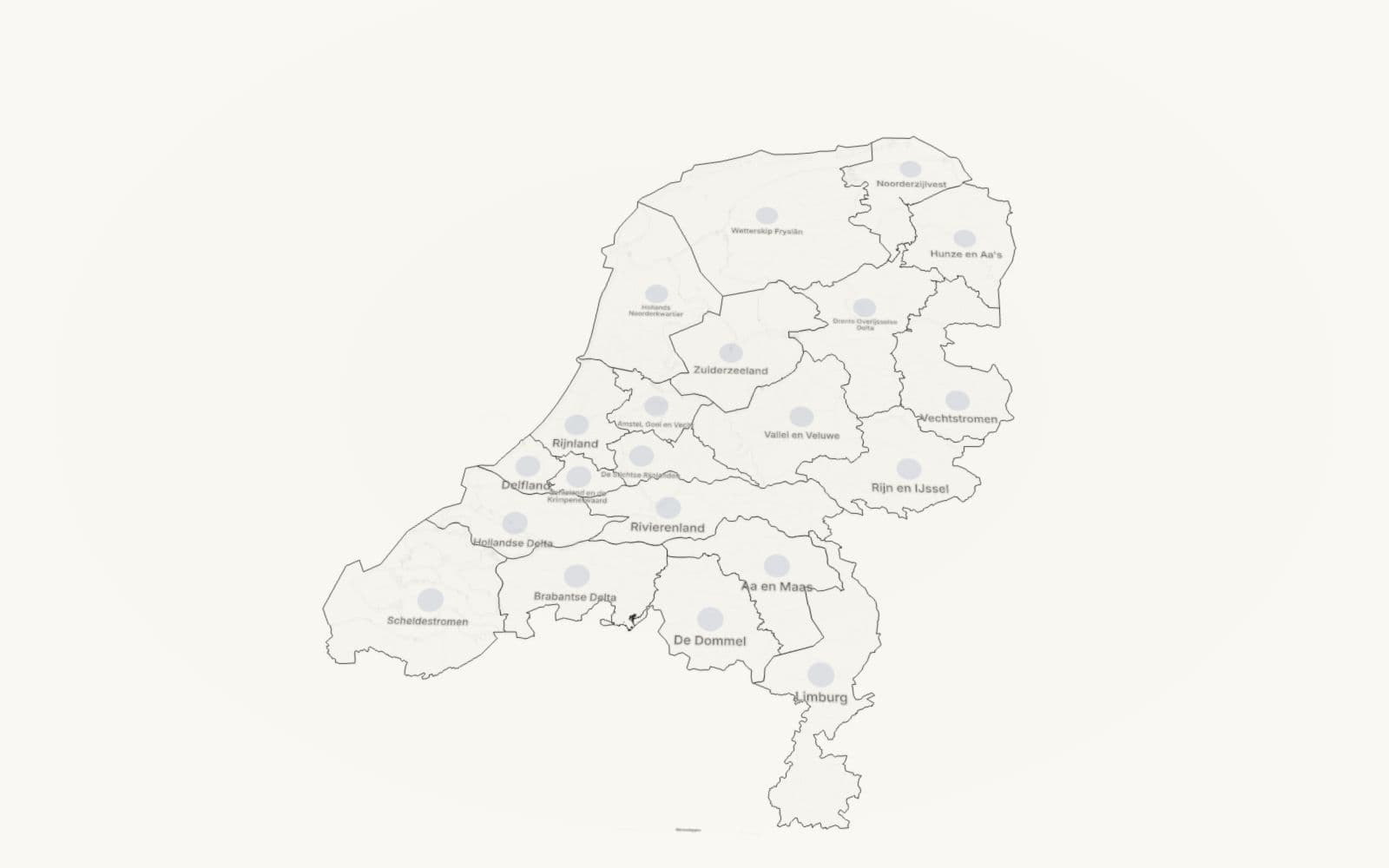
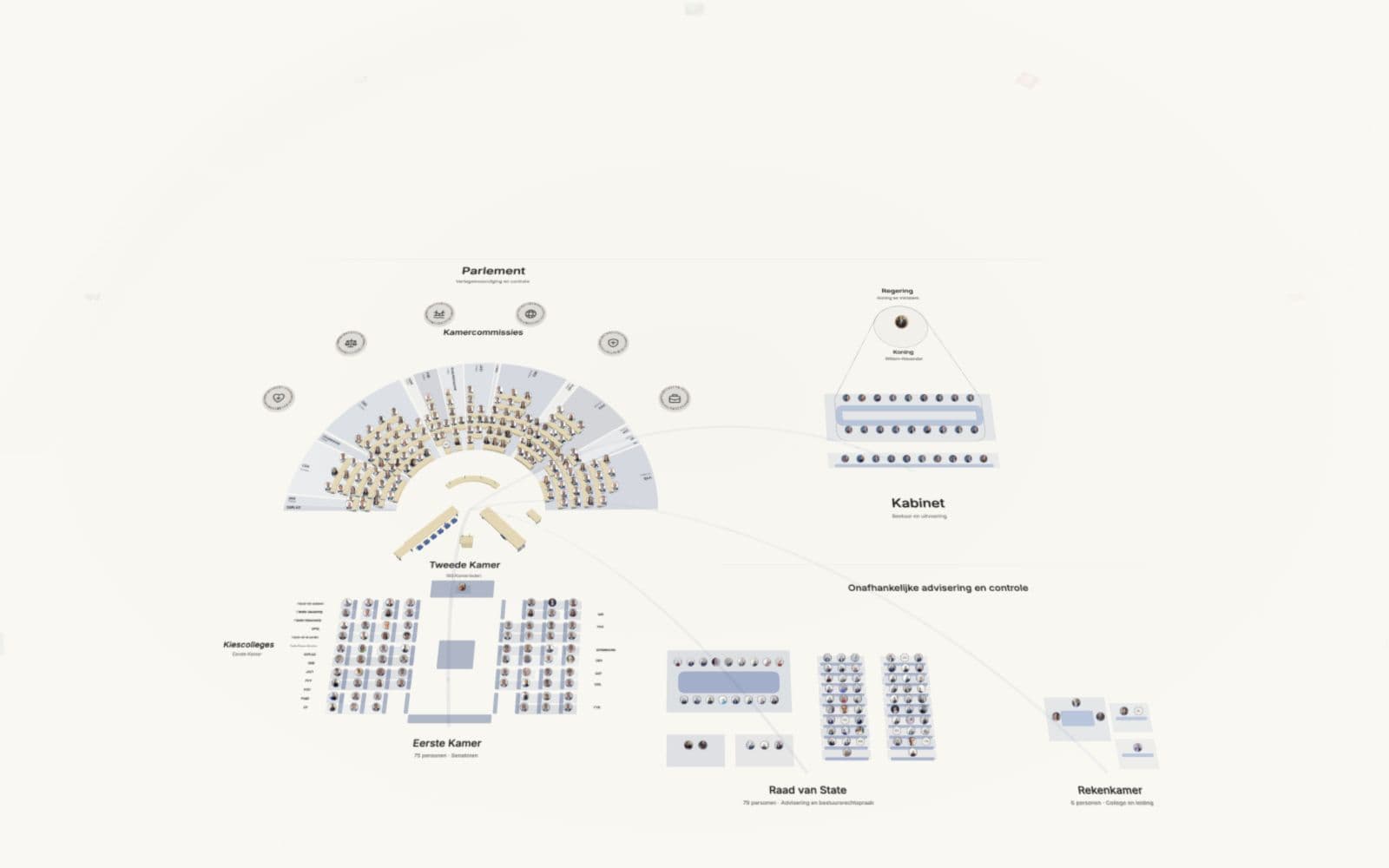
On Staatskaart, start with a municipality and then explore the council, executive and available people entries. This makes the difference between representation and executive governance visible.
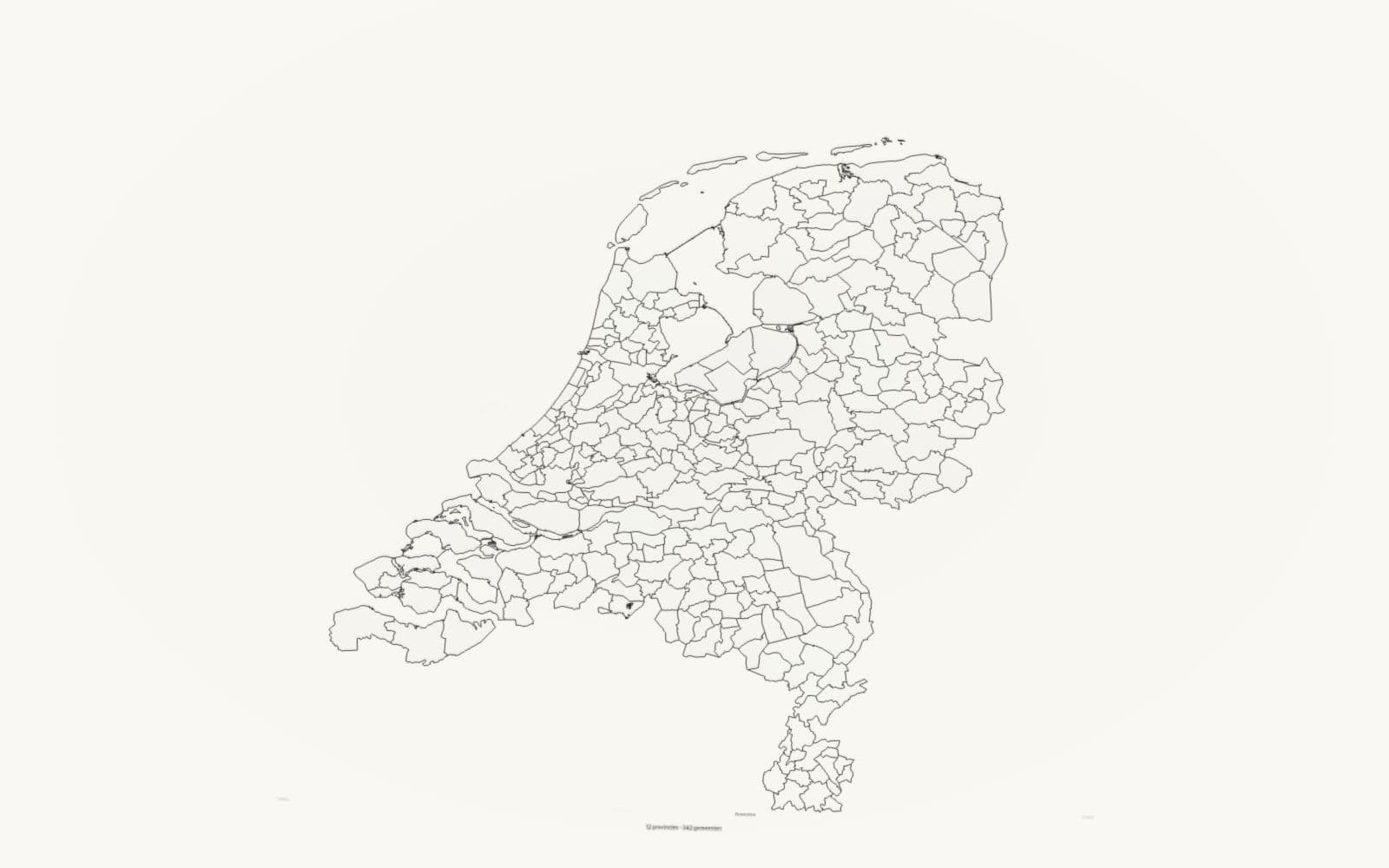 Find a municipality on the map
Who does what in the municipality?
The council adopts municipal regulations and the budget, among other things. The executive prepares policy and implements decisions. Each alderman has a portfolio. The mayor chairs both the council and the executive, but is not a councillor and does not vote in the council. The mayor also has individual duties, including public order and safety.
Central government: duties of municipal councillorsCentral government: aldermen and the municipal executiveCentral government: duties of the mayorFrom municipality to position and person
Open Municipalities and select the area you are researching. Choose Municipal council to view the representative body, or the executive to explore day-to-day governance. Then open an available entry. Read the position title, source and any notes about missing or conflicting information.
You can also search the people register by name, position, party or municipality. When several results appear, always check which position and area each one concerns. The same person can appear in several places in the register.
Open the people registerPreparing a council meeting
For a new topic, use the map as an overview of roles. Read it alongside the local meeting agenda and documents from the council’s information system. Record which administrative body makes a decision, which portfolio holder explains the proposal and which earlier decisions are relevant. This creates verifiable preparation for a councillor, council clerk’s office employee or policy adviser.
You still need the municipal dossier for the current schedule and the full text of a proposal. The map can help you decide where to look next and which institutional relationship to explain in a memo.
Comparing municipal data
Each municipality shows which positions are included in the register and where data is still missing. Municipal boundaries, election results and population figures may relate to different years. When comparing them, check both the year and the territorial divisions, especially if a municipality has been reorganised. Include the source data in your council document.
View the source dataSources and further reading
This guide was reviewed on . Check the official sources for current information.
Guide by Staatskaart, a Noord Labs project. Read how we work with sources and datasets.