How does Dutch government work?
From vote to seat: how the House of Representatives is elected
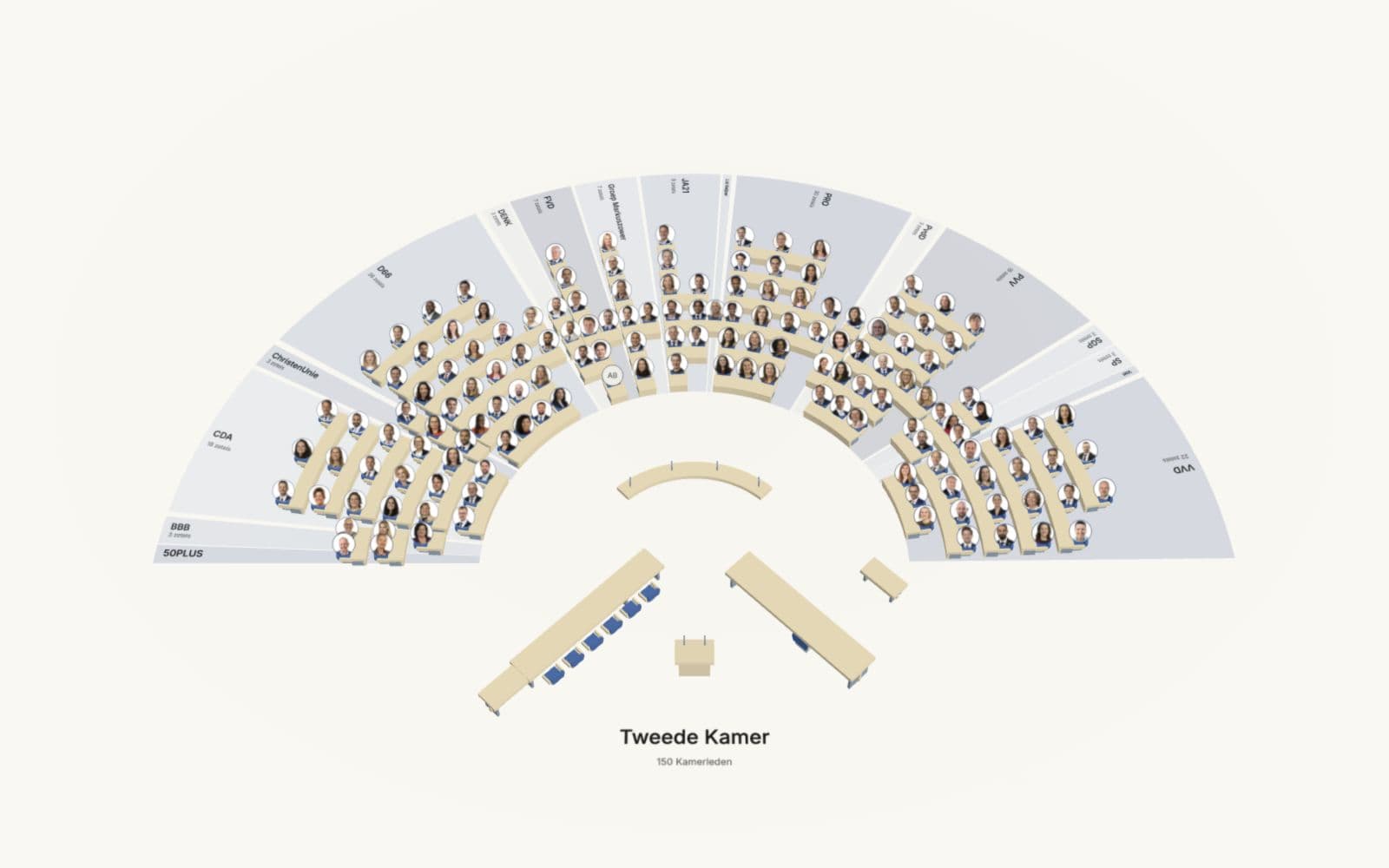
A vote in a House of Representatives election is a vote for a candidate. All valid candidate votes count towards the allocation of 150 seats. First, the number of seats for each list is determined; then, the candidates who will take those seats.
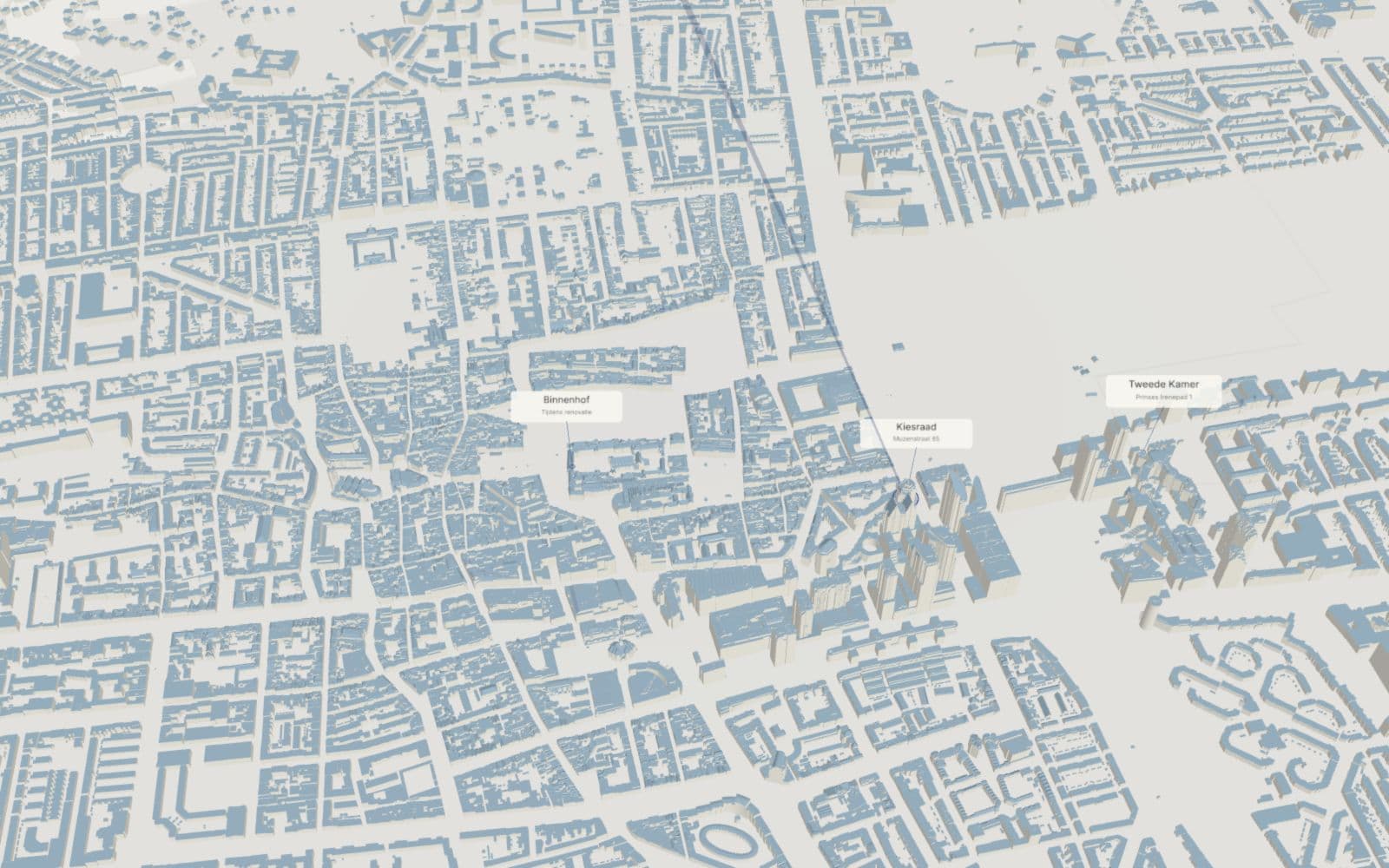
The “From vote to seat” tour makes these steps visible, from an Amsterdam polling station to the House and cabinet formation. The polling locations and count used correspond to the 2025 election.
 Follow the journey from vote to seat
From polling station to national result
After the polls close, votes are counted by hand. Municipalities can count candidate votes centrally or locally. The municipal electoral committee establishes the municipal totals. The results reach the Electoral Council (Kiesraad), the central electoral committee for this election, through the principal electoral committees. The Electoral Council checks the counts and establishes the result at a public meeting.
Electoral Council: counting stepsElectoral quota, remainder seats and preference votes
The electoral quota is the total number of valid candidate votes divided by 150. Each list first receives the number of full seats for which it has sufficient votes. The remaining seats are allocated using the highest averages method. In House of Representatives elections, only lists that have reached the electoral quota qualify for remainder seats.
Within a list’s allocated seats, candidates with enough preference votes can take priority. The preference threshold is 25 per cent of the electoral quota. The order on the list then plays a role. Reaching the preference threshold therefore does not create an extra parliamentary seat independently of the allocation of seats between lists.
Electoral Council: allocating seats to partiesElectoral Council: allocating seats to candidatesUse the tour to explain the process
Start the route and pause at the counting, seat allocation and selection of representatives. In a briefing, let each step answer its own question: which totals are added together, which calculation rule allocates seats and which rule determines the elected candidates? Open the source at that step for the full procedure.
Election result and cabinet formation
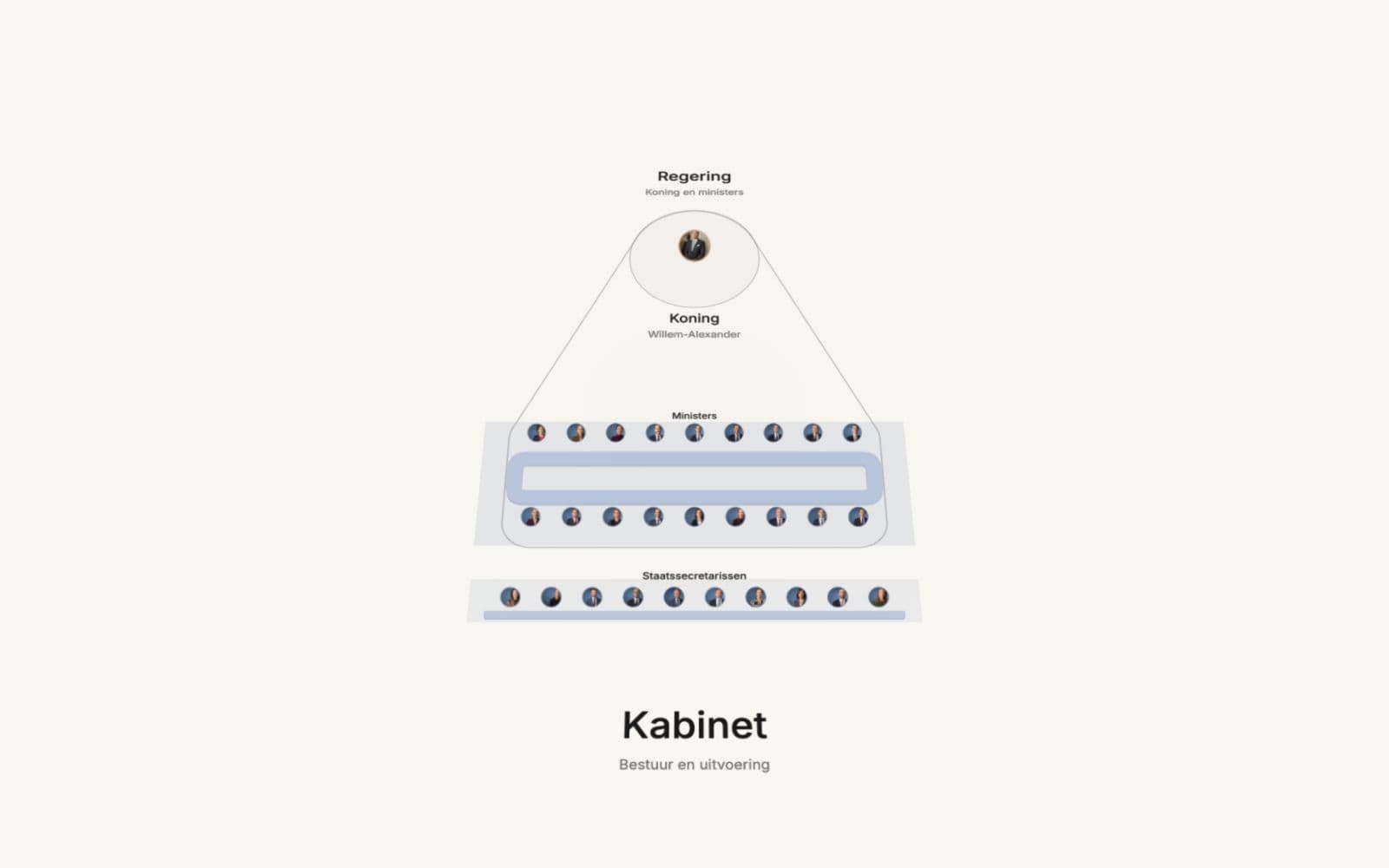
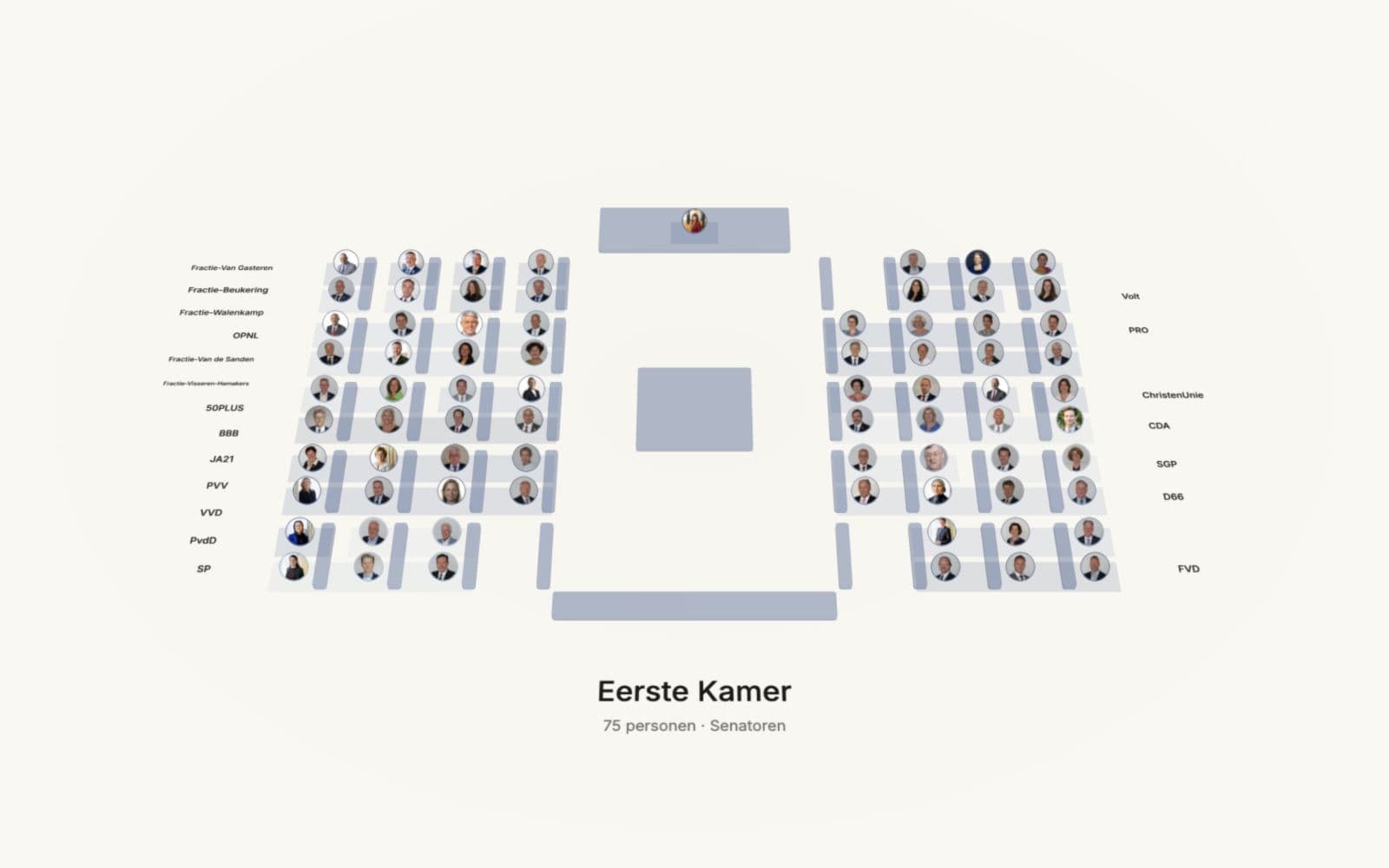
After the election, parties negotiate a new cabinet. Voters do not elect the prime minister directly. The last steps of the tour show how the elected House and cabinet relate to one another and how the House scrutinises the executive. Names and portraits come from a separate people register, with its own retrieval date alongside the source.
House of Representatives: cabinet formationSources and further reading
This guide was reviewed on . Check the official sources for current information.
- Kiesraad — Tellen van de stemmen
- Kiesraad — Zetelverdeling over partijen
- Kiesraad — Zetelverdeling over kandidaten
- Tweede Kamer — Verkiezingen en kabinetsformatie
Guide by Staatskaart, a Noord Labs project. Read how we work with sources and datasets.