How does Dutch government work?
From proposal to law: the Dutch legislative process
A bill goes through several steps: preparation, advice, consideration by both Houses, royal assent and publication. The law can then enter into force on the specified date. The “From proposal to law” tour shows which institutions are involved at each step and how their work connects.
The route follows a government bill. Members of the House of Representatives can also introduce their own private member’s bills. Use the route for orientation and always consult the official dossier for a specific proposal.
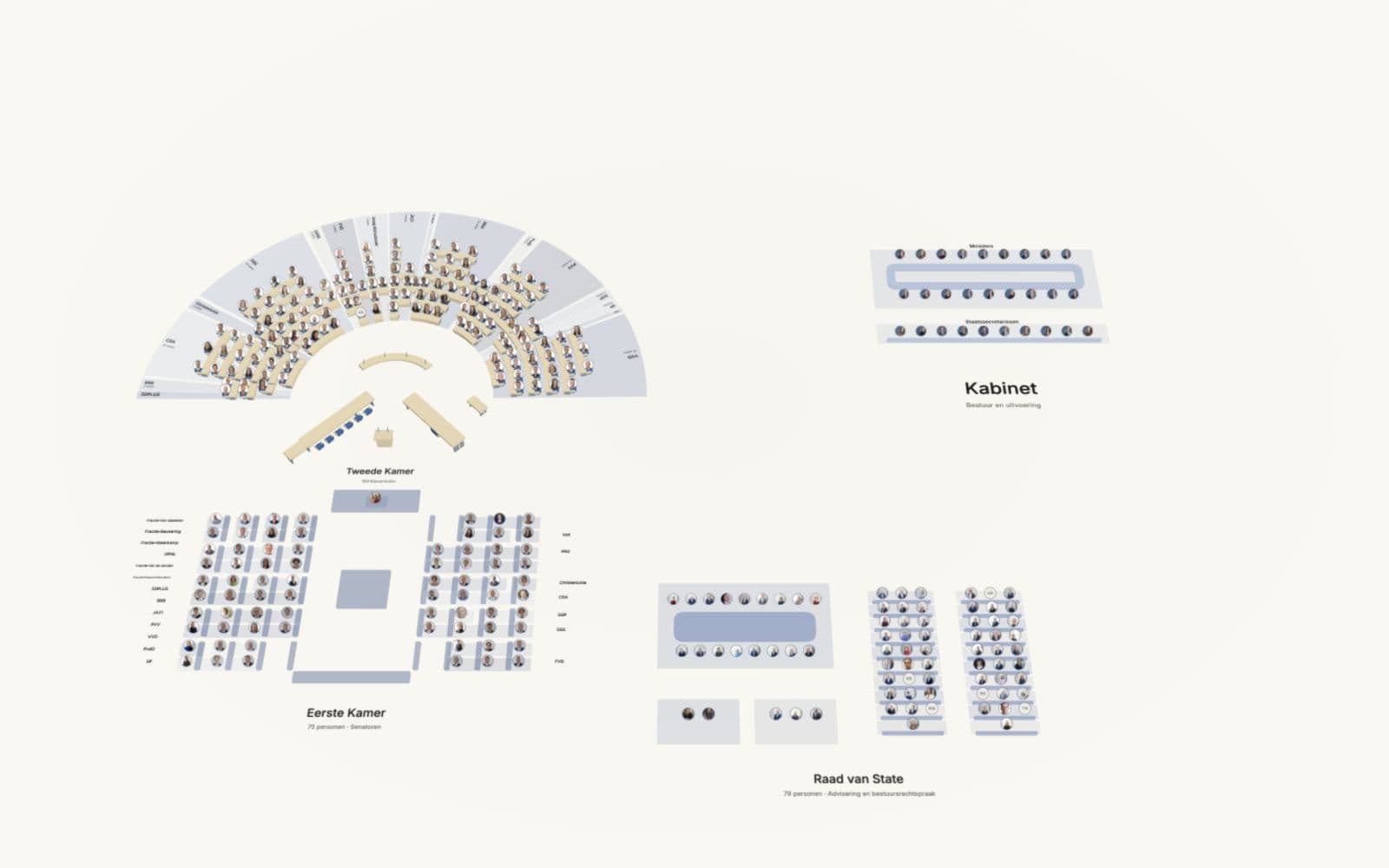 Follow the journey from proposal to law
Preparation and advice
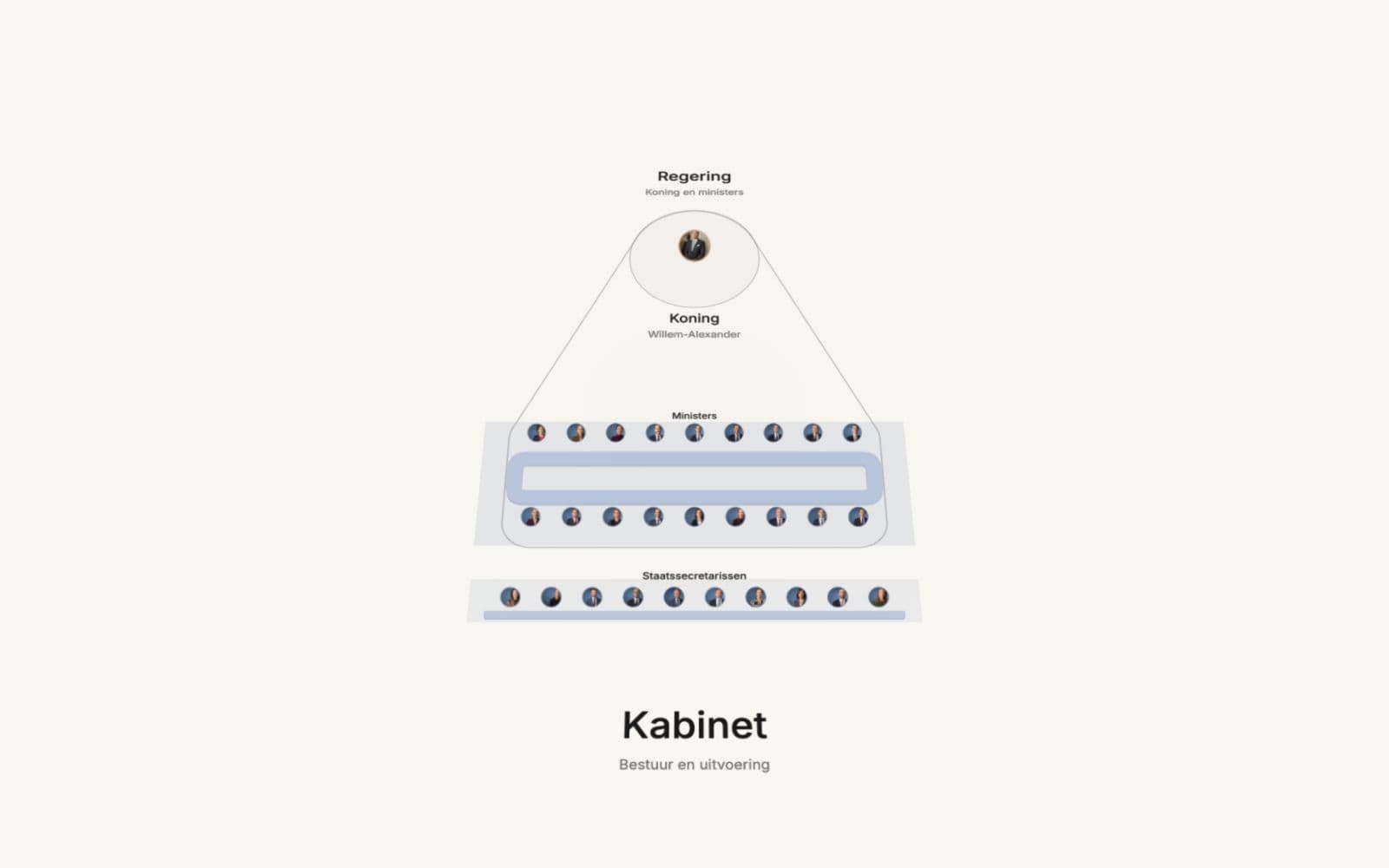
For a government bill, a ministry prepares legislative text and an explanatory memorandum. After approval by the Council of Ministers, the Advisory Division of the Council of State gives its advice. The government responds in a further report. The Division also advises on private member’s bills from members of the House of Representatives.
Read the text, explanatory memorandum, advice and response together when studying a dossier. This helps you distinguish the problem the proposal is meant to solve, the objections raised by the adviser and the changes made by the proposer.
Council of State: what the Division advises onConsideration by both Houses
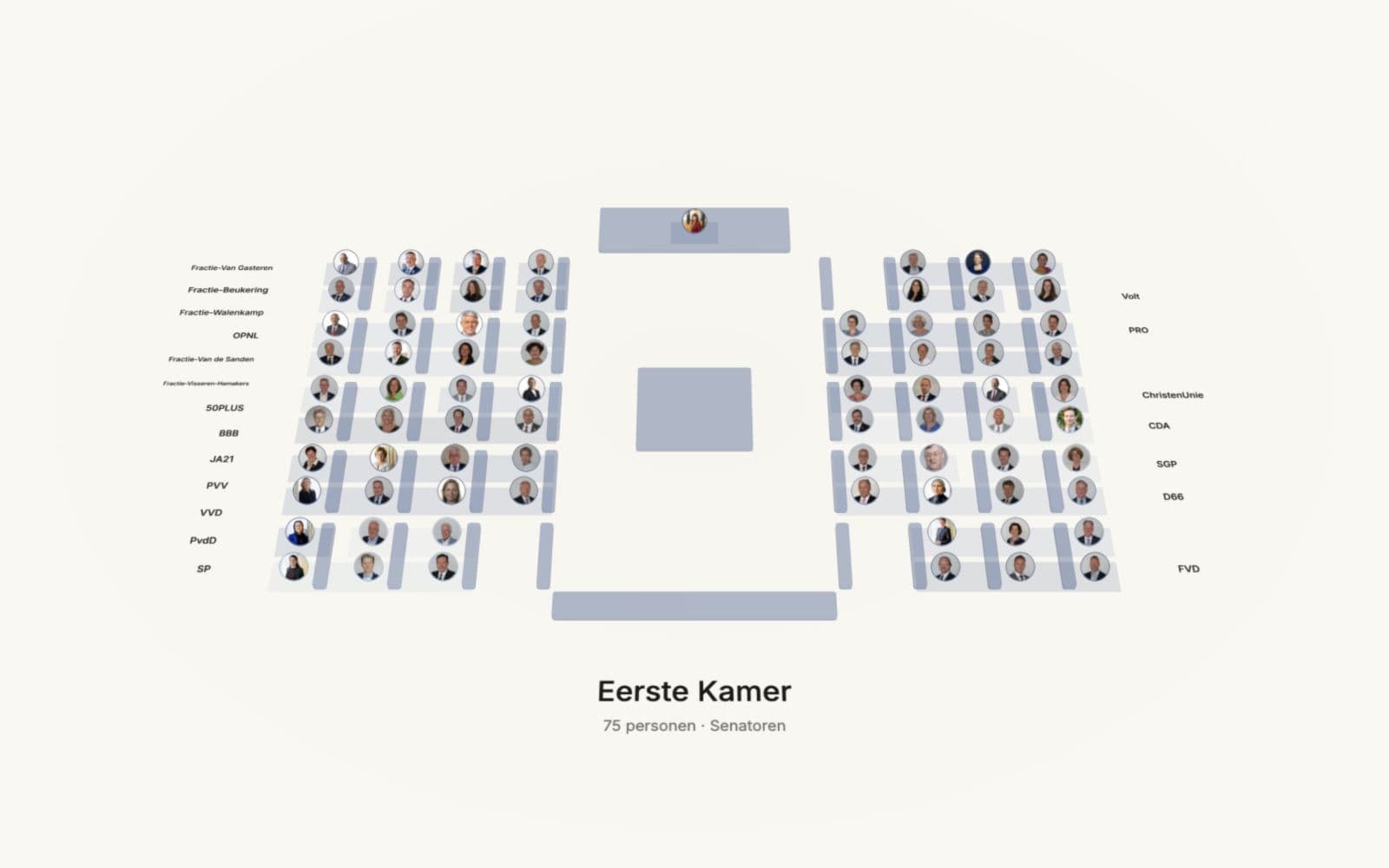
In the House of Representatives, a committee prepares the consideration of a bill. Members can table amendments. After consideration and voting, a passed bill goes to the Senate. The Senate examines the text before it and can pass or reject the bill, but cannot itself adopt amendments.
Pause the tour at both Houses and explore their different roles. In an actual dossier, check which version of the text is under consideration. Amendments may mean that the original submission differs from the bill that leaves the House of Representatives.
Central government: the legislative processSenate: scrutiny of billsRoyal assent, publication and commencement date
After both Houses have passed a bill, the King and the responsible minister or state secretary sign it. The law is then published in the Bulletin of Acts and Decrees (Staatsblad). The commencement date is stated in the law or determined later by decree. The publication date and commencement date therefore need not be the same.
Royal House: signing and responsibilityA useful overview for policy officers
When preparing, record the dossier number, proposer, latest text considered, current parliamentary stage and intended commencement date. Add the location of the official document. Use the official dossier to track the proposal’s progress and the map to explain each institution’s role. When preparing implementation, also review the transitional provisions.
Sources and further reading
This guide was reviewed on . Check the official sources for current information.
- Rijksoverheid — Hoe komt een wet tot stand?
- Raad van State — Advisering
- Eerste Kamer — Wat doet de Eerste Kamer?
- Het Koninklijk Huis — Ministeriële verantwoordelijkheid
Guide by Staatskaart, a Noord Labs project. Read how we work with sources and datasets.